

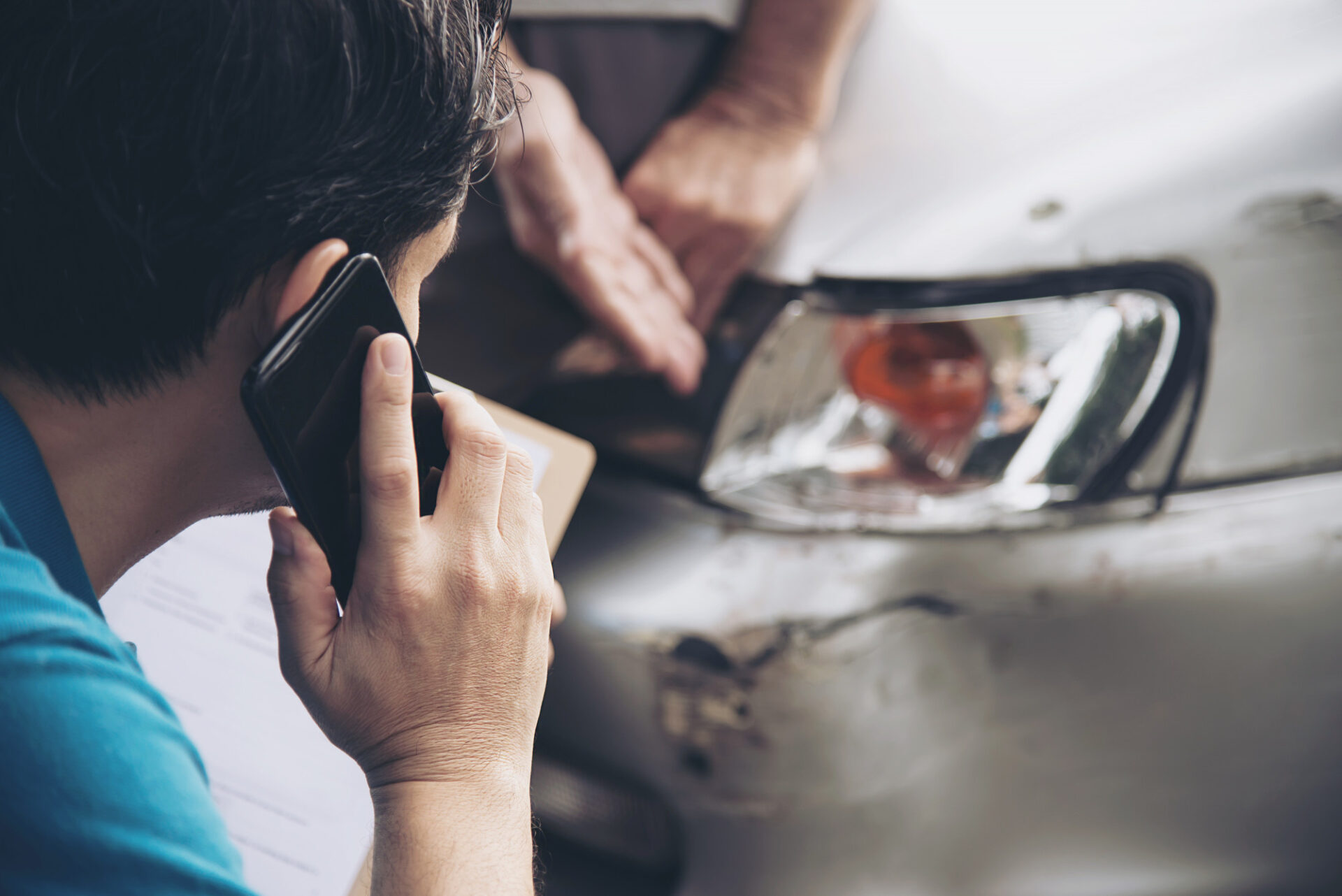
Being in a car accident is a jolt, even when it is minor. Your heart is racing, you are not sure what to check first, and other drivers or witnesses are waiting on you to work out what happens next. Having a clear idea of the right order of steps, before you ever need it, makes a stressful moment far more manageable.
Here is a straightforward walkthrough of what to do after a car accident in New Zealand, from the first few seconds through to getting your car repaired.
Check for injuries and make the scene safe
The first thing to do is check whether anyone is hurt. If someone is injured, call 111 for an ambulance and the police straight away. If it is not an emergency but the police still need to be told, you can reach them on *555 from a mobile.
If your car can still be driven and it is safe to do so, move it out of the flow of traffic. Turn on your hazard lights and headlights so other drivers can see you clearly, especially if visibility is poor. If the car cannot be moved, turn off the engine, put your hazards on, and get yourself and any passengers to a safe spot away from traffic while you wait for help.
Know when you need to call the police
Most fender benders do not need police attendance on the day, but there is a legal reporting requirement you should know about. If the crash involved damage to someone else’s property, such as a fence, a parked car, or public infrastructure, and you cannot track down the owner at the scene, you are required to report it to police within 60 hours of the accident.
Exchange details with everyone involved
Once everyone is safe, the next job is gathering information while it is still fresh. Get these details from every other driver involved:
Full name and address
Phone number
Driver’s licence details
Vehicle registration number
Insurance company name
Ask any witnesses for their name and contact details too. Witnesses are often the deciding factor when it comes to working out who was at fault, so do not skip this step even if the accident seems straightforward. If another driver will not share their details, note their registration plate and report it to the police.
One thing to avoid entirely is admitting fault or trying to settle anything on the spot. It feels natural to apologise or offer to sort things out privately, but doing so can complicate your claim later and may not hold up once your insurer looks at what actually happened. Let the facts speak and let your insurer handle liability.
Take photos and notes while it is fresh
Photos are one of the most useful things you can gather at the scene. Capture the damage to all vehicles involved, the position of the cars on the road, number plates, and anything relevant nearby like traffic signs, signals, or skid marks. If you can, jot down a quick written account of what happened while the details are still clear in your mind, since memory fades fast after a stressful event. A simple sketch of how the vehicles were positioned and moving can also help later if there is any dispute over who was at fault.
Contact your insurer and lodge your claim
Once you are safe and have the details you need, get in touch with your insurance company. You can usually do this at the scene or once you get home, and most insurers let you start a claim online or over the phone. Your insurer will talk you through what happens next and what information they still need from you.
Be upfront and complete when answering your insurer’s questions. Your policy runs on a duty of disclosure, which means you need to tell them anything relevant, including things like previous accidents or claims, driving convictions, or if the car has been modified from standard. Leaving out details, even ones that seem minor, can affect whether a future claim gets paid.
What your excess means for you
If your claim is accepted, you will usually need to pay an excess, which is your share of the repair cost. This applies no matter what type of policy you hold, third party, third party fire and theft, or comprehensive, with the exception of some windscreen only claims. If another driver was clearly at fault and you can show this, your insurer may waive or refund your excess once liability is settled.
It helps to know your excess amount before you are ever in this situation. Check your policy schedule or ask your insurer directly, since it varies depending on the policy you chose when you signed up.
Understanding your type of cover
The type of car insurance you hold determines what your insurer will pay for after an accident.
Third party covers damage you cause to someone else’s car or property, but not damage to your own vehicle.
Third party, fire and theft adds cover if your car is stolen or damaged by fire, on top of third party protection.
Comprehensive covers damage to your own car as well as damage you cause to others, along with extras like towing costs in some cases.
If you only have third party cover and the accident was your fault, you will need to pay for your own car’s repairs yourself. This is worth keeping in mind when you are deciding what level of cover suits your situation.
Getting your car repaired
Once your claim is underway, your insurer will guide you through getting the car assessed and repaired. Something a lot of people do not realise is that you are not locked into using whichever repairer your insurer suggests. You have the right to choose a repair shop you trust, and a reputable panel beater will work directly with most major insurers to make the process smooth on your end.
If the damage is severe enough that repairing the car would cost more than it is worth, your insurer may declare it a total loss, sometimes called a write off. In that case, you would typically be paid the agreed or market value listed on your policy, minus your excess and any unpaid premium or on road costs.
If your car can be repaired, look for a shop that fixes the underlying damage properly rather than just making it look right on the surface. Structural repairs, rust prevention, and a proper paint match all matter for how the car holds up long after the visible dent is gone.
Getting back on the road with confidence
A car accident is never something you plan for, but knowing the right steps can take a lot of the stress out of it. Stay calm, keep everyone safe, gather your details and photos, be upfront with your insurer, and choose a repairer who takes the time to do the job right.
If you are in Auckland and need your car assessed or repaired after an accident, Spot On Panel Beaters in Takapuna can help. The team works with most major insurers and takes the time to fix the cause of the damage properly, not just the parts you can see. Get in touch to talk through your options.